

The Allure of Gambling: Understanding the Thrill
The thrill of gambling is deeply rooted in the psychology of risk and reward. Casino gambling offers an intoxicating blend of excitement and hope, drawing individuals in with the promise of potential wins. This phenomenon is often referred to as the “gambling high,” a rush experienced when placing bets or hitting the jackpot. Players are increasingly turning to online casinos in canada, where emotional responses can lead to the development of strategies that capitalize on the adrenaline and anticipation, even if the odds are not in their favor.
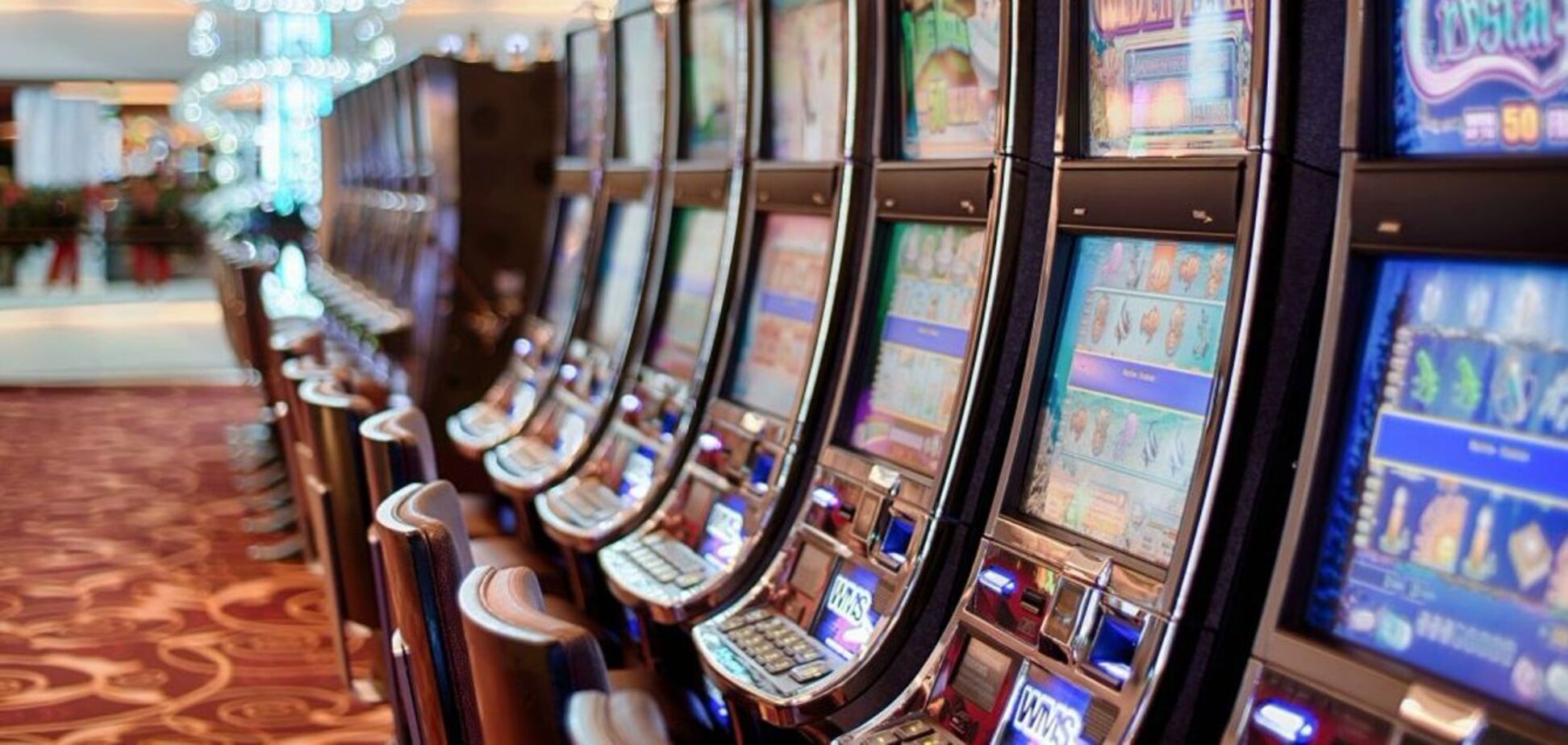
Psychological theories, such as the excitement theory, suggest that individuals are wired to seek stimulation, and casinos offer a plethora of sensory experiences that enhance this pursuit. Bright lights, sounds of coins clinking, and the atmosphere of suspense contribute to the overall appeal of gambling. Understanding this psychological aspect can shed light on why individuals often engage in behaviors that may not align with their financial best interests.
The Role of Cognitive Biases in Gambling Decisions
Cognitive biases significantly impact how gamblers formulate their strategies. One common bias is the gambler’s fallacy, where individuals believe that past outcomes will influence future bets, despite each event being independent. This misconception can lead players to alter their betting strategies based on previous results, often resulting in losses. Recognizing these biases is crucial for developing more rational gambling strategies.
Another important cognitive bias is the illusion of control, where players believe they can influence random events. This belief often motivates gamblers to adopt specific strategies, such as increased betting or employing superstitious rituals, which they think will lead to better outcomes. Understanding these psychological tendencies is essential for both casino operators and players in navigating the complex landscape of gambling strategies.
Emotions and Decision Making in Gambling
Emotions play a critical role in decision-making processes within the casino environment. Factors such as anticipation, excitement, and even despair can lead to impulsive gambling decisions. Players often make choices based on how they feel rather than rationally assessing the odds and outcomes. This can result in a cycle of chasing losses or attempting to recreate the euphoria of a big win.
Additionally, emotional states can influence the type of gambling strategies individuals choose. Players experiencing high levels of excitement may take more risks, while those feeling anxious might opt for more conservative approaches. Acknowledging the impact of emotions on gambling behavior can lead to a more informed understanding of strategy formulation and its effectiveness.
Social Influences on Gambling Strategies
The social environment significantly shapes an individual’s gambling behavior and strategy. Peer pressure, cultural norms, and social interactions can all contribute to the way someone approaches gambling. In many cases, players may imitate the strategies employed by their friends or family, believing that these methods will lead to similar successes.
Furthermore, social dynamics can create environments where gambling is normalized, leading to increased participation and the development of specific strategies. Understanding the social factors at play can aid players in making more informed decisions and foster a more responsible approach to gaming.
Ensuring Safe and Secure Gambling Experiences
As gambling strategies evolve, ensuring a safe online environment is paramount. Many websites, including this one, prioritize user security by implementing robust measures against online threats. Utilizing advanced services like Cloudflare enhances protection, creating a secure experience for gamblers.
If users encounter issues while accessing gambling sites, guidance is readily available to resolve any problems, ensuring a seamless and secure gaming experience. This focus on security not only protects users’ data but also contributes to a more responsible gambling culture, emphasizing safety along with enjoyment.