

The allure of high-stakes betting
High-stakes betting in casinos captivates the imagination of many, drawing in players who are attracted to the thrill of risking large sums of money. This allure often stems from a combination of adrenaline and the potential for substantial financial gain. The excitement associated with placing large bets can trigger a release of dopamine in the brain, creating a pleasurable experience that many find irresistible. Players may even be tempted to explorebitcoin casinos as they chase these thrills.
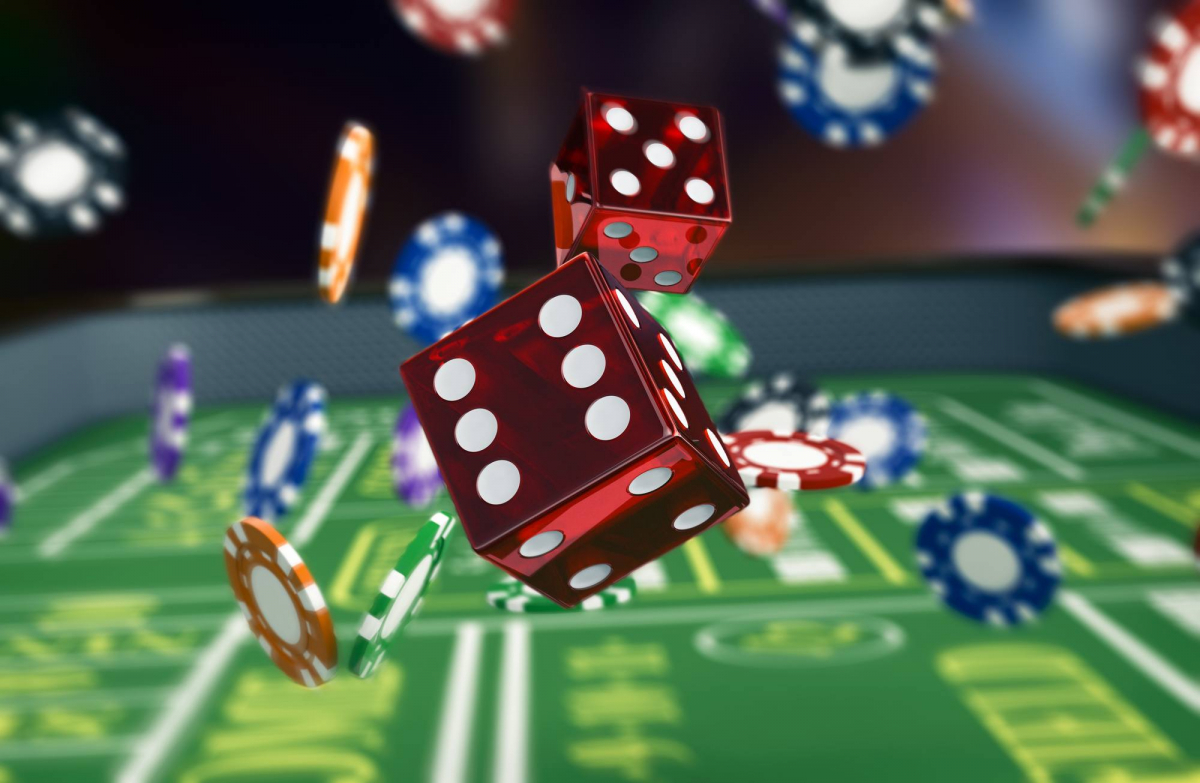
This phenomenon is deeply rooted in psychological principles. The anticipation of a win creates a heightened state of arousal, leading to behaviors that may be uncharacteristic of the individual in everyday life. Players may feel invincible, believing that they can control the outcome of games through skill or intuition. This cognitive bias often leads to larger bets, further intensifying the appeal of high-stakes environments.
The role of risk-taking psychology
At the core of high-stakes betting lies the psychology of risk-taking. Many individuals are drawn to high-risk situations due to an innate desire for excitement and the challenge they present. When it comes to casinos, this can manifest as a willingness to wager significant amounts of money, often underestimating the potential consequences of their actions.
Moreover, the environment of a casino is meticulously designed to enhance this risk-taking behavior. The bright lights, glamorous decor, and sounds of winning can create an atmosphere of euphoria, encouraging players to take larger risks. This setting amplifies the psychological factors at play, leading individuals to make impulsive decisions that they might not consider in a more sober environment.
The impact of social influences
Social dynamics play a crucial role in high-stakes betting. Many players are influenced by their peers, often feeling pressure to conform to group norms regarding betting behavior. This social aspect can elevate the stakes further, as individuals may strive to maintain their status within a group by participating in high-stakes games.
Additionally, the visibility of high-stakes games attracts attention from other players and onlookers, creating an adrenaline-fueled atmosphere that can be intoxicating. The social validation derived from winning can lead to a cycle of increased betting and emotional highs, making it difficult for individuals to walk away, even when they are on a losing streak.
Emotional highs and lows in gambling
The emotional rollercoaster of high-stakes betting is a significant factor in players’ experiences. The euphoric highs of winning can be exhilarating, but these moments are often followed by the emotional lows associated with losses. This duality can lead to a compulsive cycle where players chase losses in the hope of regaining their previous winnings.
Moreover, the emotional stakes are heightened in high-stakes environments, where the potential financial implications amplify feelings of stress and anxiety. Players often find themselves grappling with conflicting emotions, experiencing both the thrill of victory and the despair of defeat, which can have lasting psychological impacts on their well-being and decision-making processes.

Understanding responsible gaming and support
As exhilarating as high-stakes betting can be, it is essential for players to approach it with caution and an understanding of responsible gaming principles. Recognizing the psychological triggers that can lead to excessive betting is crucial for maintaining a healthy relationship with gambling. Casinos often provide resources and support for those who may struggle with their betting habits.
Creating awareness about the risks associated with high-stakes betting and promoting a culture of responsible gambling can help mitigate the potential negative effects on individuals and their families. Online platforms and casinos increasingly focus on providing tools and resources to assist players in making informed decisions, reinforcing the importance of awareness in the gambling experience.